Back to overview
Explore Pollinator Pathmaker, the living artwork and participatory project by Alexandra Daisy Ginsberg.
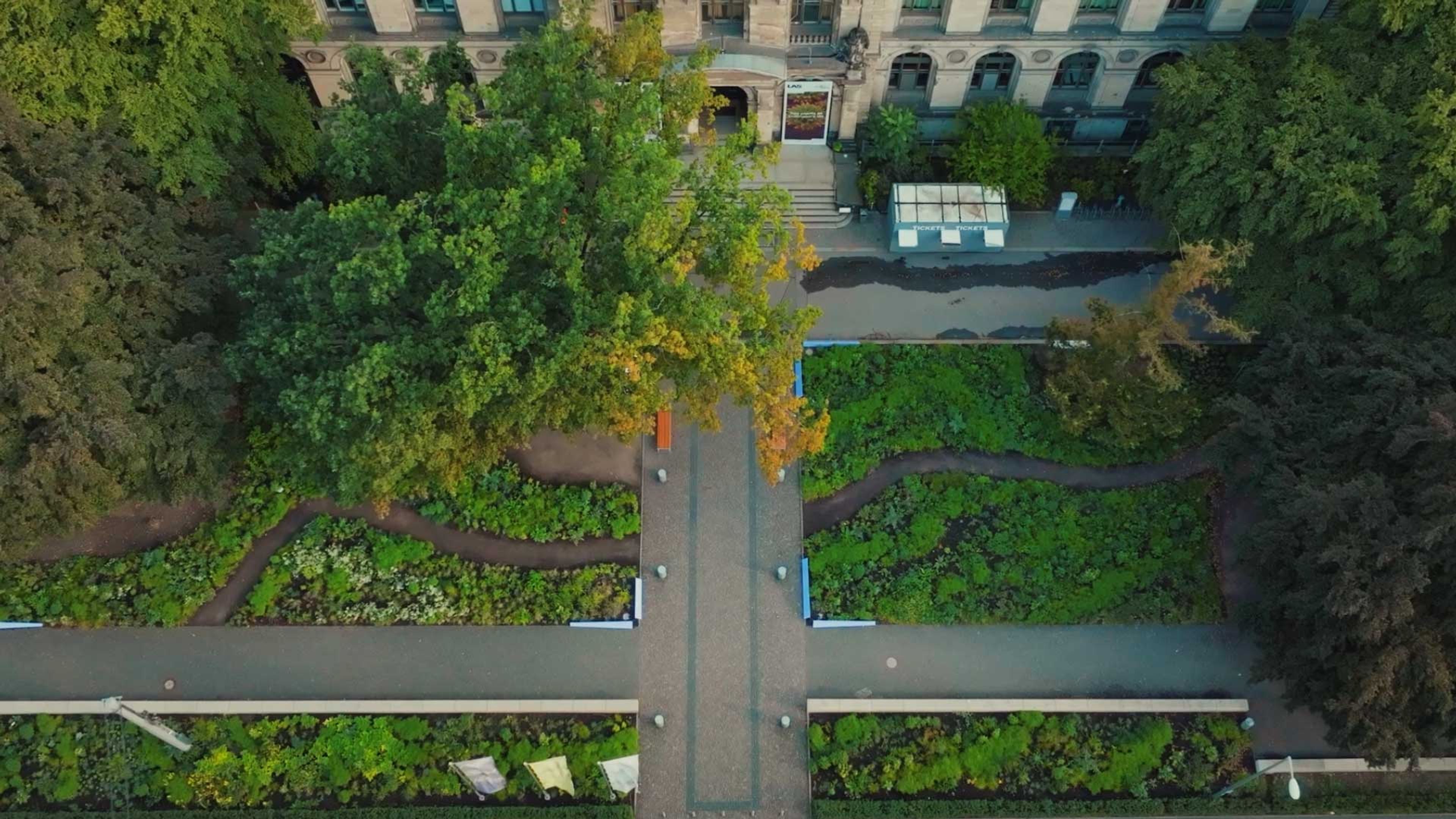
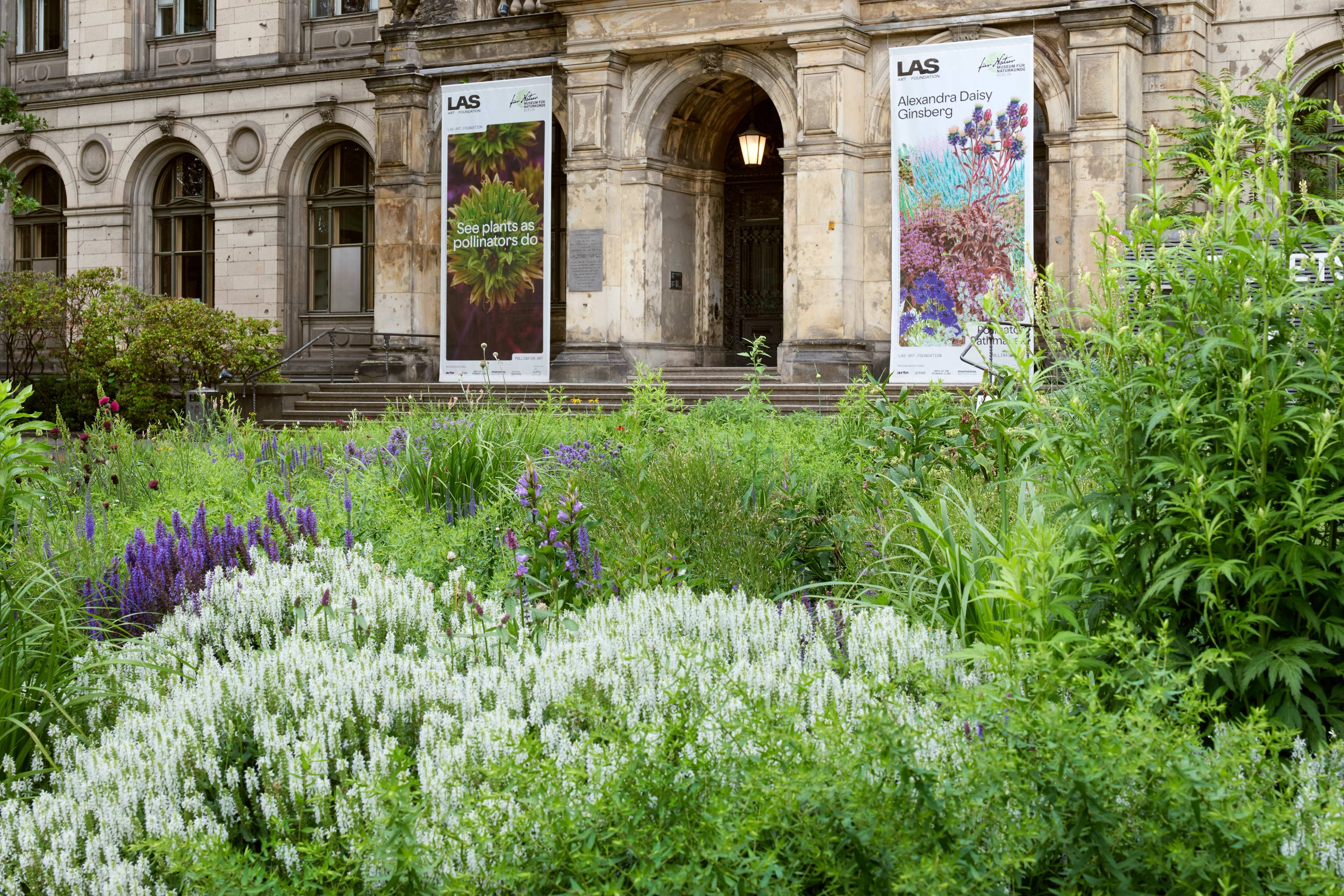
LAS is proud to be an International Edition Founding Commissioner of Alexandra Daisy Ginsberg’s Pollinator Pathmaker. The project encompasses a series of living sculptures made of plants, and a participatory campaign. Each sculpture is designed using a custom-build algorithm, which computes garden schemes that support the maximum number of pollinator species possible. The LAS Edition features more than 7,000 plants of 80 different varieties, planted over a 722-square-metre plot. This impactful initiative in interspecies art responds to the alarming decline in pollinating insects, which are vital for many plants to reproduce and ecosystems to survive.
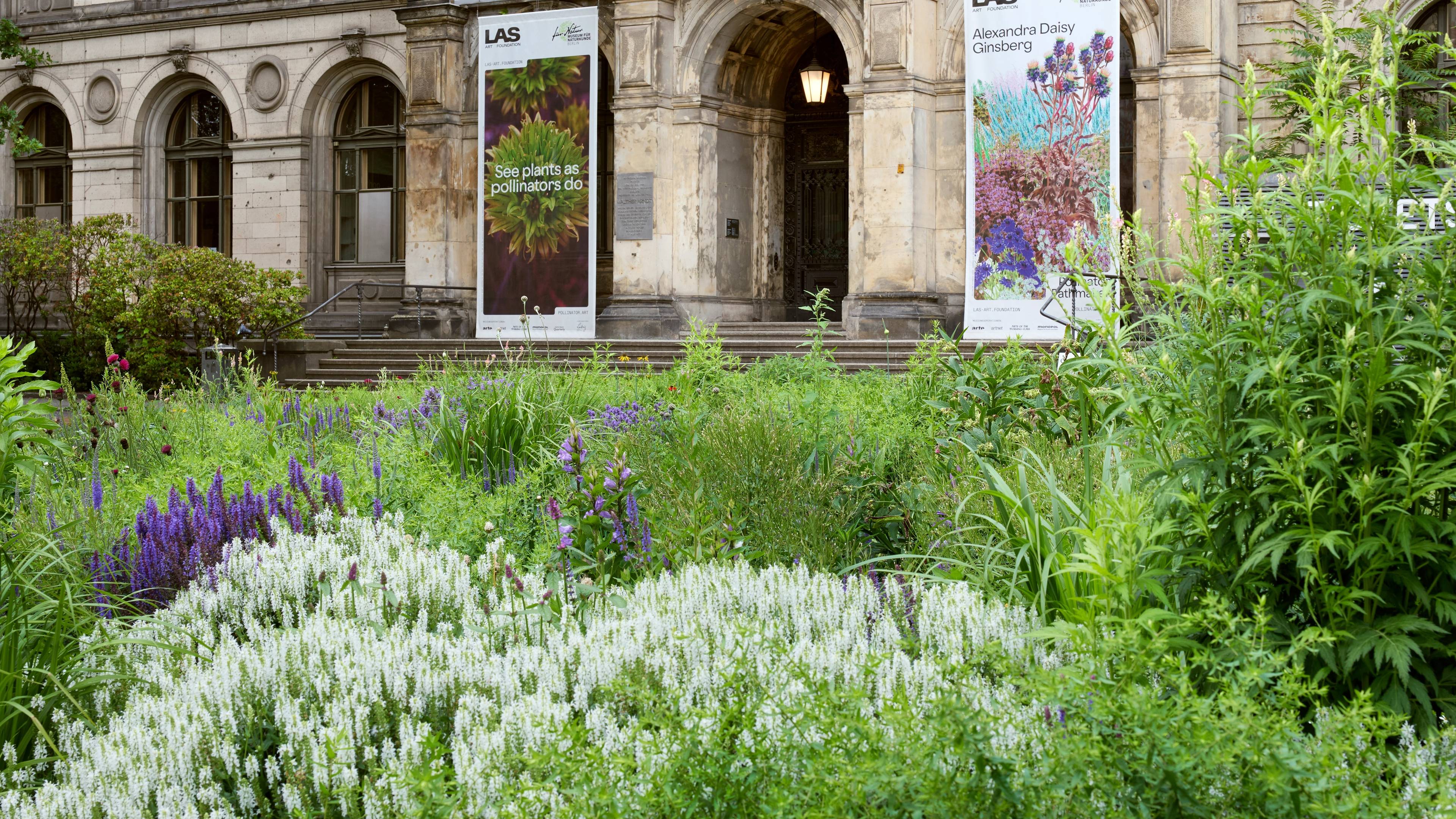
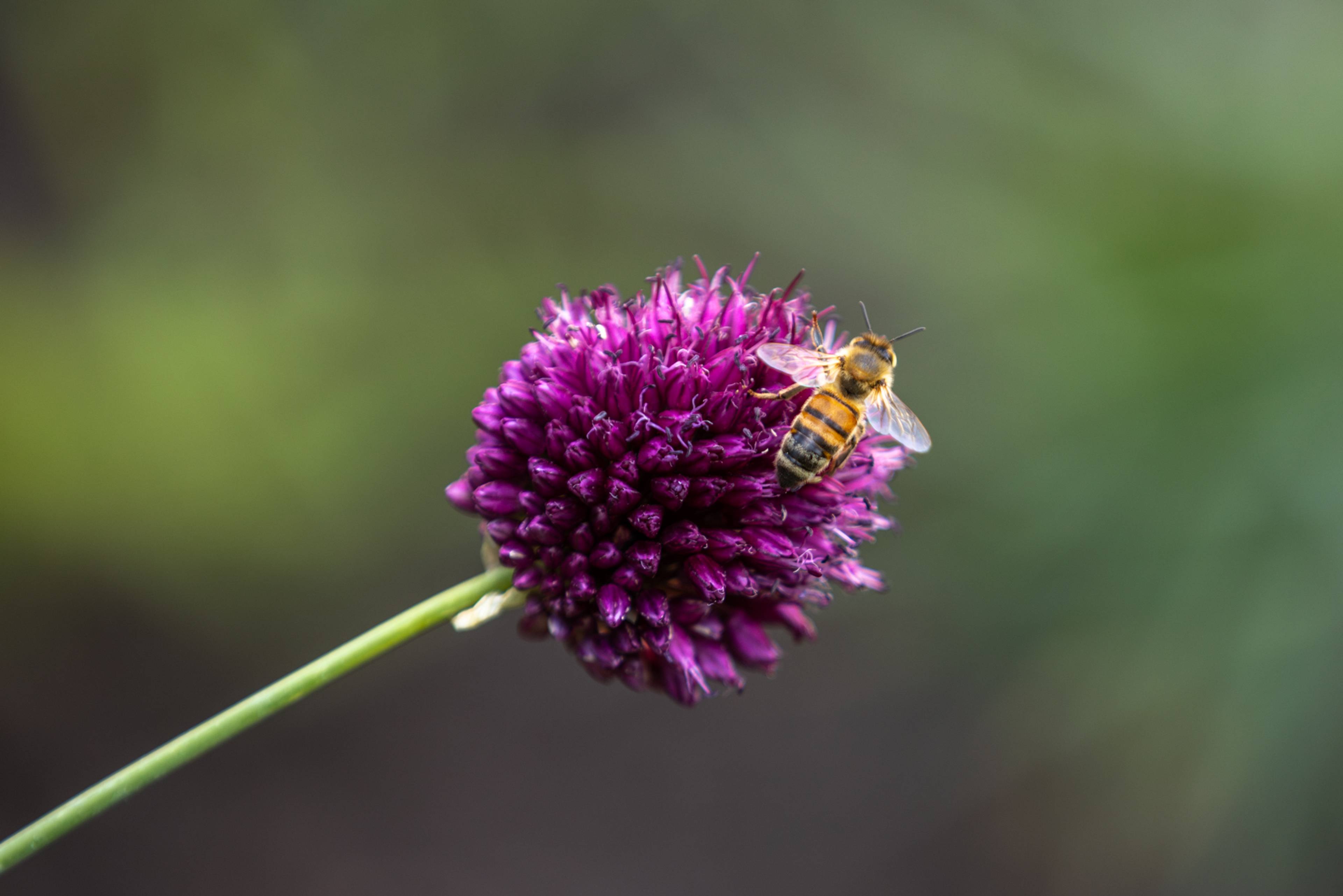
The artwork is the first Pollinator Pathmaker Edition in Continental Europe. It is part of a growing global network of gardens, big and small. To create the LAS Edition, Ginsberg collaborated with scientists at the Museum für Naturkunde Berlin and local experts to select a palette of plants suitable for Berlin. Each plant was chosen for its benefits to specific pollinators, including bees, butterflies, flies, moths, wasps and beetles. This palette was uploaded to the Pollinator Pathmaker’s algorithm to generate a planting scheme that serves the needs of local pollinators over the seasons. The beds of the LAS Edition are designed to bloom as their different pollinators emerge and also to suit a range of insect foraging styles. Over the winter, seed heads and grasses provide habitat for insects too.
At the heart of Pollinator Pathmaker is the timely reimagination of what art can be, and who it is for. By making art for pollinators, Ginsberg emphasises the urgency of moving beyond anthropocentric approaches and aesthetics in the face of the climate and biodiversity crises. Pollinator Pathmaker initiates this shift by promoting empathy for other species, and opening wider conversations about the future of our shared planet.
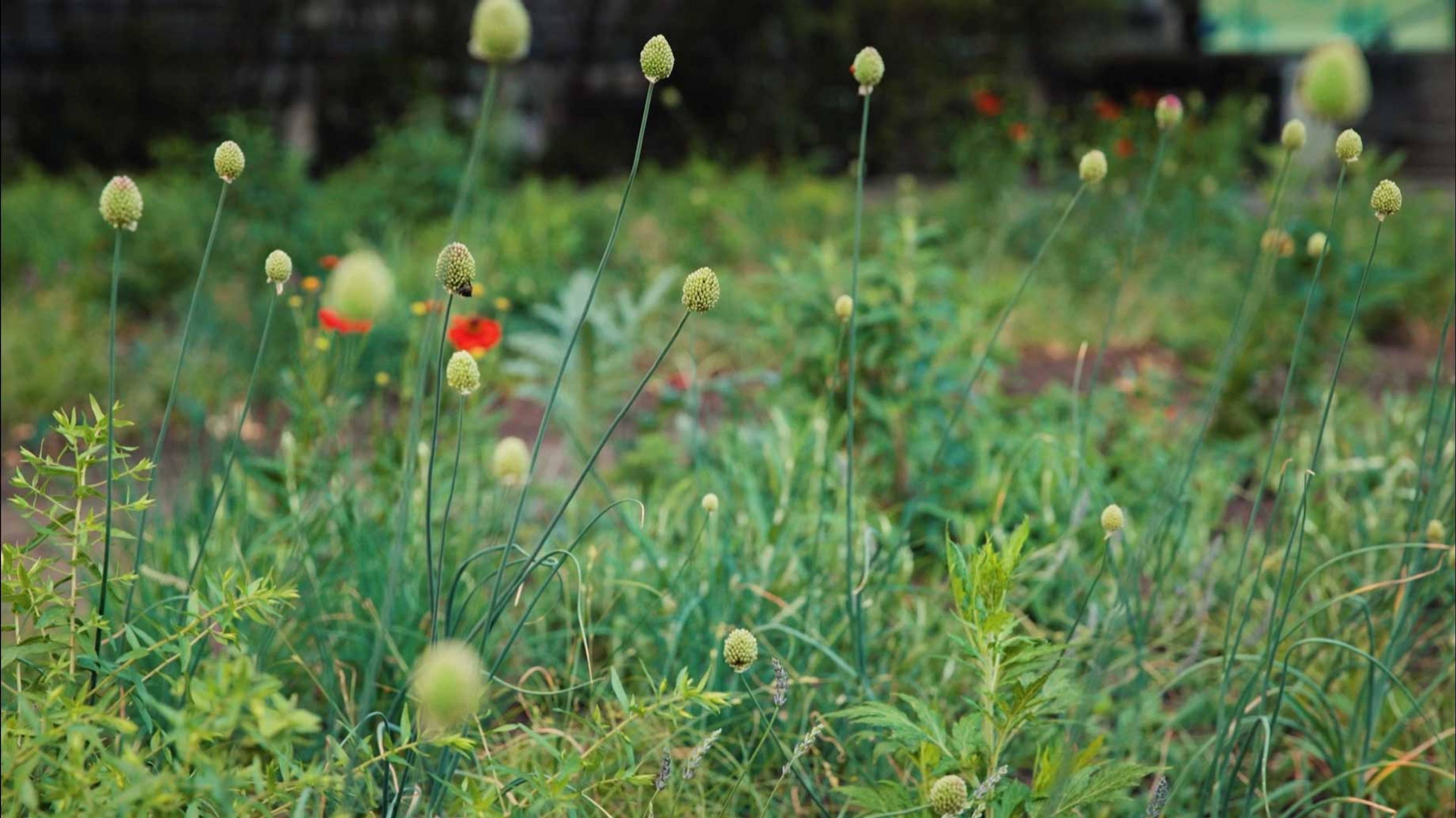
"I wanted to make art for pollinators, not about them. Pollinator Pathmaker is an ambitious art-led campaign to make living artworks for other species to enjoy. Can the audience for an artwork be more-than-human? Can art be useful in the ecological crisis" – Alexandra Daisy Ginsberg
Pollinator Pathmaker asks: if pollinators could design gardens, what would they look like? Ginsberg created an algorithm to approach this question. It is based on extensive research into how pollinators sense, and how they source food. Some flying pollinators like bees memorise the locations of the flowers they visit. They are able to calculate and memorise the most efficient route to visit each flower. These paths are called traplines. Other insects like ladybirds pollinate by moving through patches of flowers. The algorithm designs garden schemes with traplines and patches of specific flowers to suit these different behaviours. The resulting gardens look different from ones designed by humans. For Ginsberg, the algorithm is a way to reduce human bias and prioritise the needs of others – a way to design with empathy.
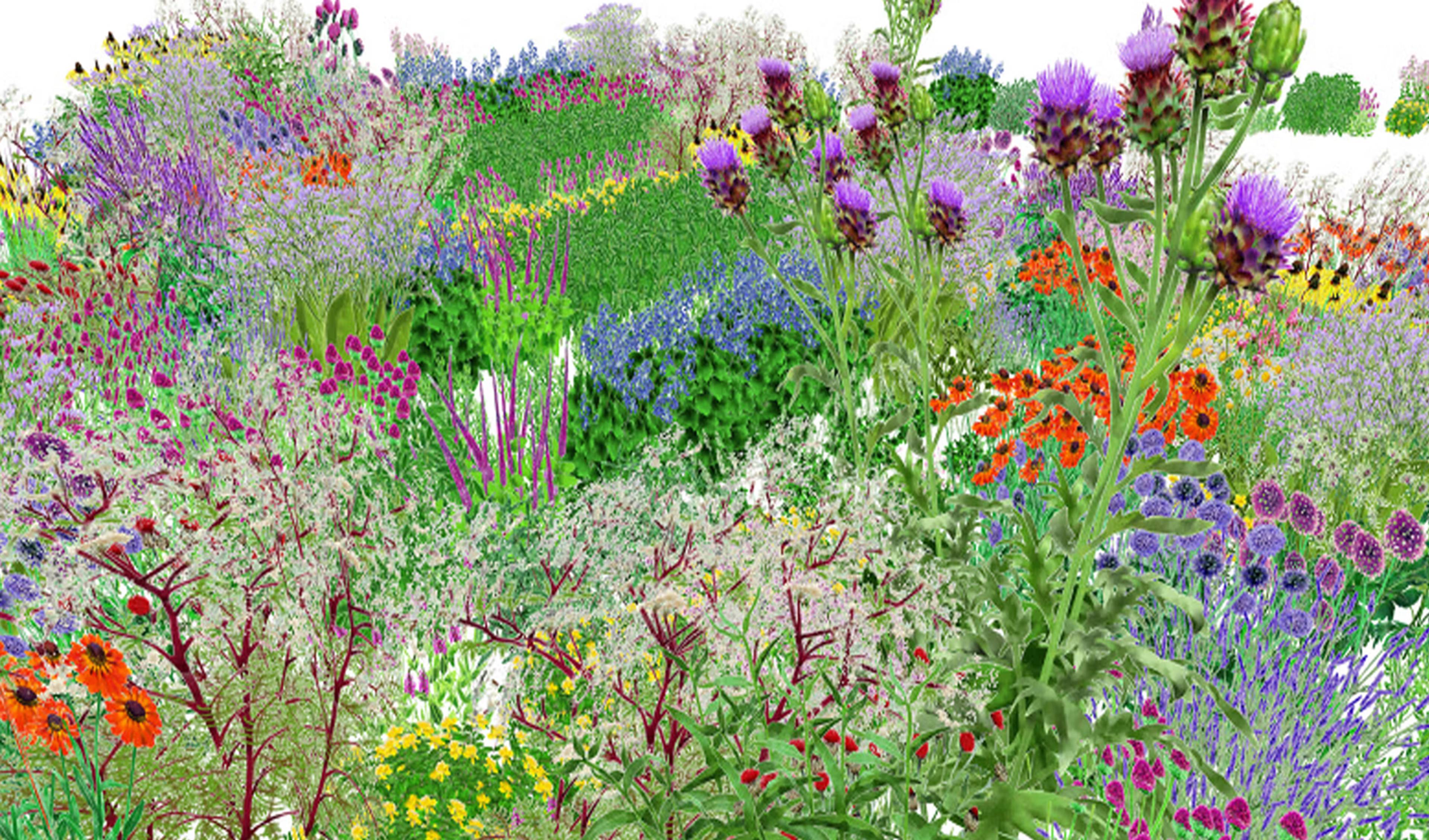
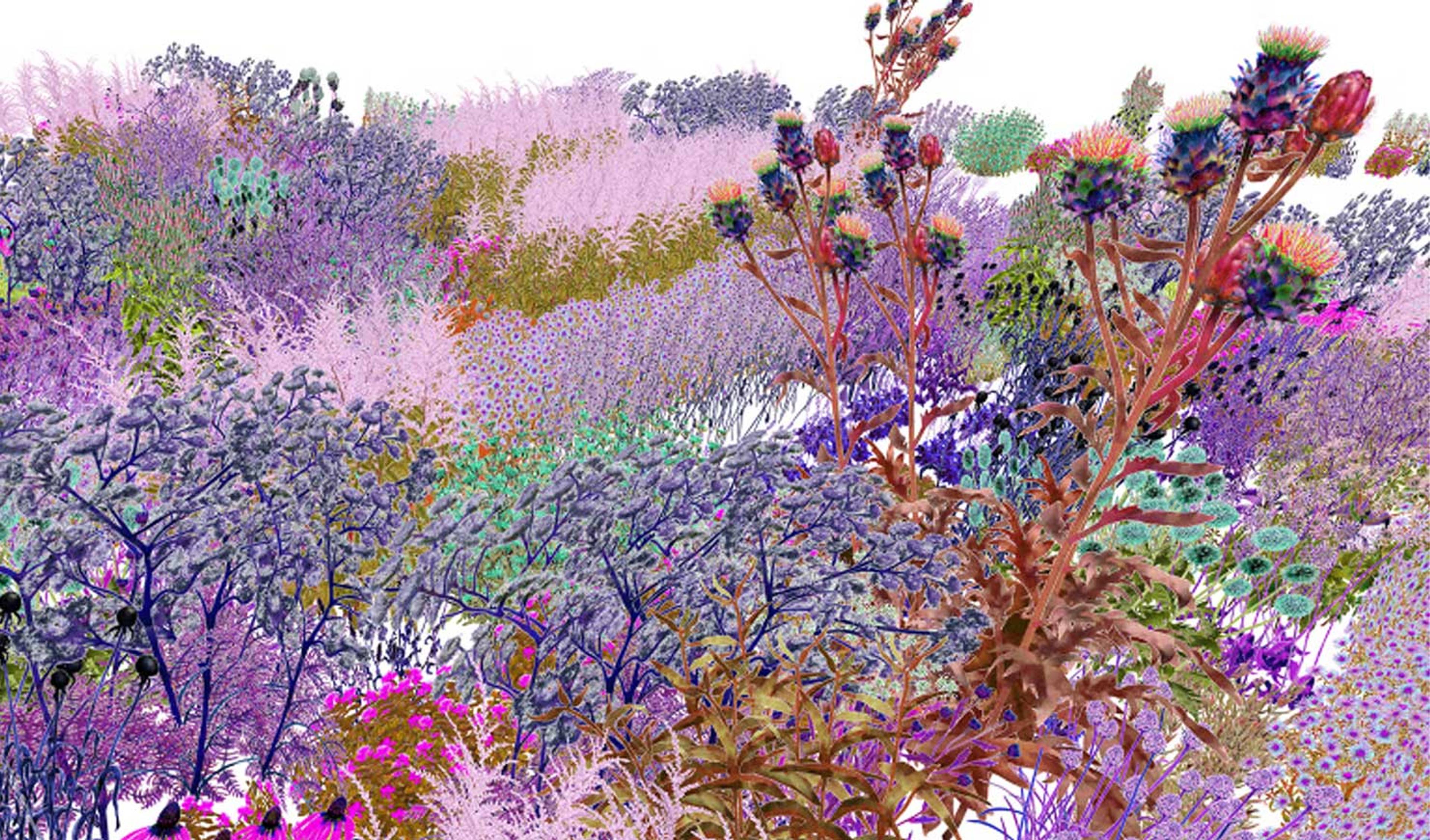
Pollinator vision vs. Human vision
Ginsberg calls Pollinator Pathmaker a ‘living sculpture’. It is an artwork made of materials that are alive, and its success is dependent on the relationships between different species and their environment. It is unlike most sculptures because it looks different from month to month, as plants and pollinators move through their seasonal cycles. Pollinator Pathmaker is rooted in the artistic traditions of Land Art and social sculpture, which emerged in the 1960s and 70s. In line with both traditions, Pollinator Pathmaker encourages communities to plant artworks that help support species at risk. It shows how art can be made for nonhuman audiences, and have a positive impact on our shared planet.
The wild bee specialist Christian Schmid-Egger and his team have been studying the LAS Edition since its planting, comparing it to other flowering areas in Berlin. They found a significant increase in the number of wild bee species compared to the average, along with 16 rare and endangered species visitingthe artwork. The scientists concluded that the artwork is a "complete habitat" and that the "project can be rated a complete success" since its first year.
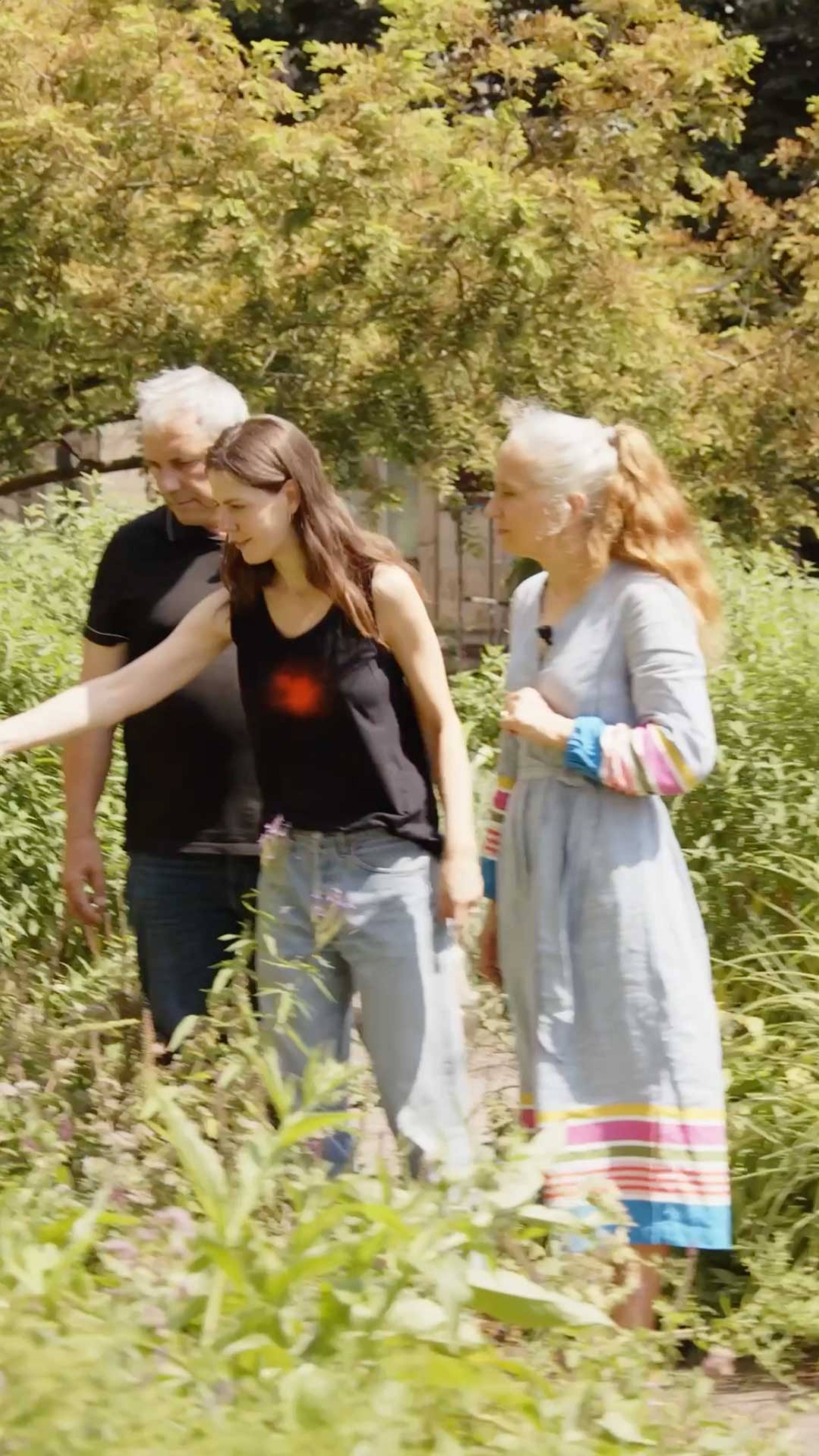
Explore Pollinator Pathmaker, the living artwork and participatory project by Alexandra Daisy Ginsberg.
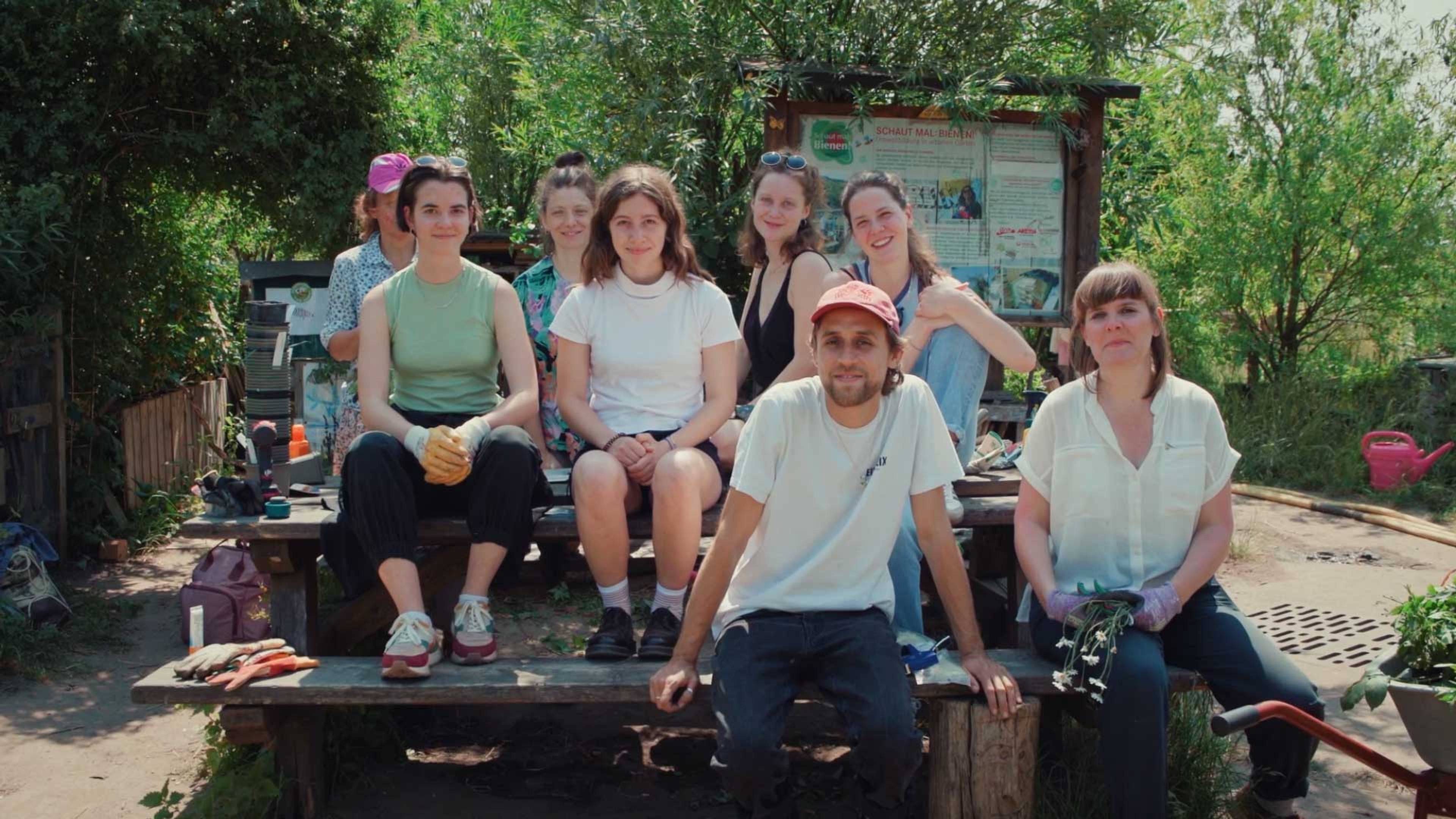
Create your own Pollinator Pathmaker and join a growing network of artworks for pollinators.
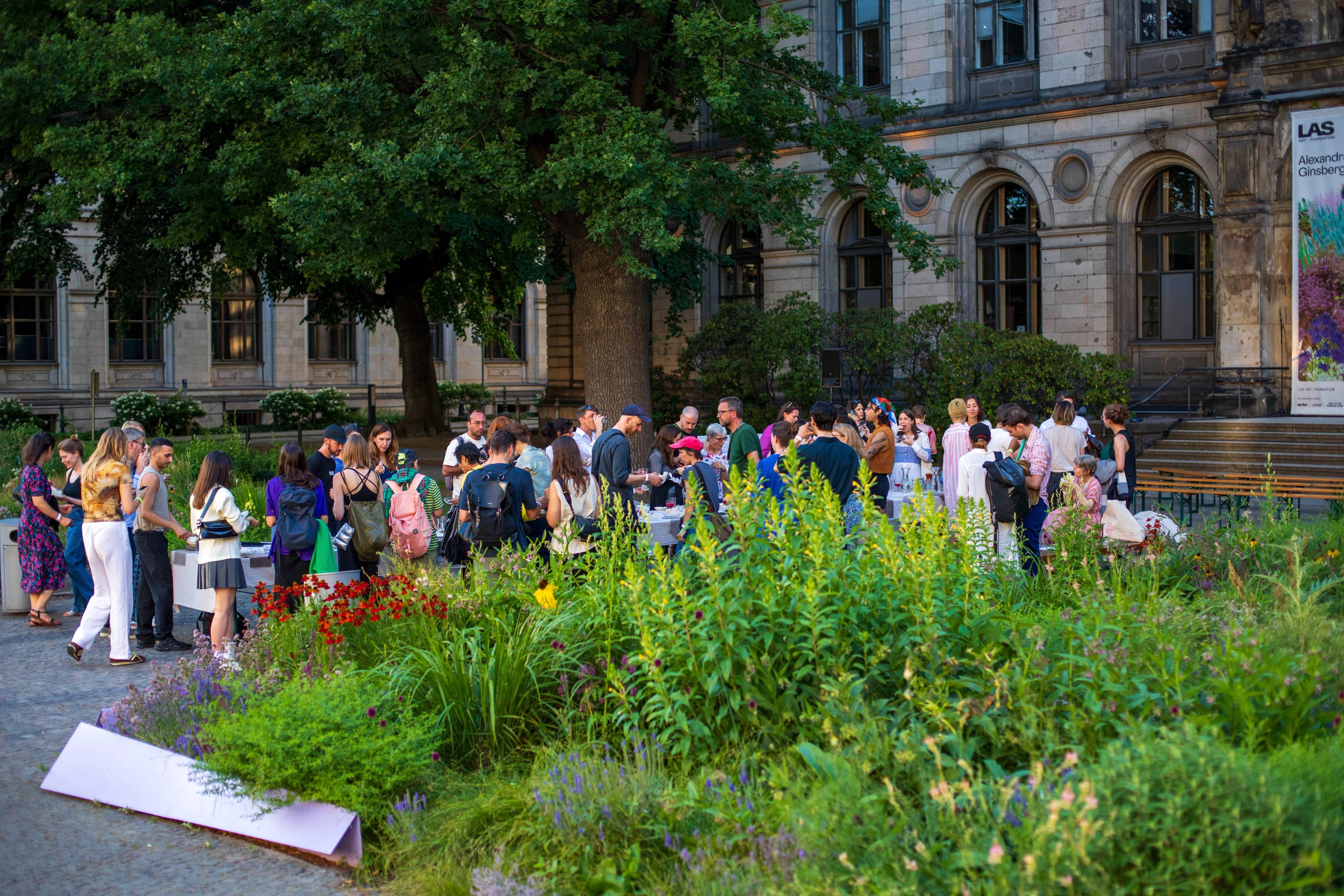
Explore a late summer gathering with live sound, workshops and a curatorial tour.

Dr Alexandra Daisy Ginsberg is a multidisciplinary artist examining our fraught relationships with nature and technology. Through artworks, writing and curatorial projects, Ginsberg’s work explores subjects as diverse as , synthetic biology, conservation, biodiversity and evolution, as she investigates the human impulse to ‘better’ the world.
In 2017, Ginsberg completed Better, her PhD by practice, at London’s Royal College of Art (RCA), interrogating how powerful dreams of ‘better’ futures shape the things that get designed. She read architecture at the University of Cambridge, was a visiting scholar at Harvard University, Cambridge, Massachusetts and received her MA in Design Interactions from the RCA.
Ginsberg exhibits internationally, including at the Museum of Modern Art, New York; Museum of Contemporary Art, Tokyo; Centre Pompidou, Paris and Royal Academy of Arts, London. Her work is held in private and museum permanent collections, including the Art Institute of Chicago; Cooper Hewitt, Smithsonian Design Museum, New York; Therme Art, Berlin and ZKM Karlsruhe.
Partner
Originally commissioned by the Eden Project and funded by Garfield Weston Foundation, the additional founding supporters are Gaia Art Foundation and collaborators Google Arts & Culture.
Alexandra Daisy Ginsberg: Pollinator Pathmaker LAS Edition is commissioned by LAS Art Foundation and realised in collaboration with Museum für Naturkunde Berlin.
Originally commissioned by the Eden Project and funded by Garfield Weston Foundation, the additional founding supporters are Gaia Art Foundation and collaborators Google Arts & Culture.
Alexandra Daisy Ginsberg Studio
LAS Art Foundation
Museum für Naturkunde Berlin
Expert Panel
Horticultural Advice